---
title: The Stayconomics Brief - Edition No. 3
description: The third edition of Stayconomics Brief featuring employee retention strategies, HR news, leadership insights, workplace trends, and our latest podcast.
image: https://hi.sideup.com/hubfs/ChatGPT%20Image%20Jul%2019%2c%202026%2c%2004_58_44%20PM-1.png
---
[](https://hi.sideup.com/)
- Solutions
Pre-tax Benefits
IRS-compliant, pre-tax benefits for core needs.
- [Student Loan & Tuition Smarter education funding](https://hi.sideup.com/student-loan-repayment-benefits)
- [Commuter Pre-tax transit & parking](https://hi.sideup.com/commuting)
- [HRA Health Reimbursement Arrangement](https://hi.sideup.com/hra)
- [Family Care Real support for caregivers](https://hi.sideup.com/family-care)
Lifestyle Spending Accounts
Flexible, post-tax benefits for modern life.
- [Wellness & Fitness Gym, mental health & wellbeing](https://hi.sideup.com/wellness-fitness)
- [Work From Home Home office & remote setup](https://hi.sideup.com/work-from-home)
- [Food Meals, groceries & nutrition](https://hi.sideup.com/food)
- [Utilities & Essential Bills Internet, phone & household bills](https://hi.sideup.com/utilities-essentials-bills)
ENPS
Measure and improve employee satisfaction in real time.
- [ENPS Employee Net Promoter Score](https://hi.sideup.com/enps)
Recognition
Celebrate your team and build a culture of appreciation.
- [Recognition Peer to peer & manager recognition](https://hi.sideup.com/recognition)
- Platform
For Employers
- [Manage Benefits Streamline your benefits administration](https://hi.sideup.com/how-to-manage-benefits)
- [Integrations Connect with your favourite tools](https://hi.sideup.com/integrations)
- [Security & Compliance Enterprise-grade security standards](https://hi.sideup.com/security-compliance)
For Employees
- [How to spend benefits Discover how to use your SideUp card](https://hi.sideup.com/how-to-spend-your-benefits)
- [Stayconomics](https://hi.sideup.com/stayconomics)
Learn with Stayconomics
Explore the ideas, research, and strategies behind workplaces people choose to stay in.
[Blog Data-backed, no-fluff articles on retention, benefits, and the future of work.](https://hi.sideup.com/stayconomics) [Podcast On Youtube and Spotify with the leaders who are actually figuring it out.](https://hi.sideup.com/stayconomics/podcast) [Newsletter The best of what's happening in HR and employee retention, curated, concise, and worth your Monday morning.](https://hi.sideup.com/stayconomics/tag/newsletter) [Events & Webinars Real experts, real questions, real takeaways you can use before the week is over.](https://hi.sideup.com/stayconomics/events-webinars) [Explore by Topics Retention, benefits, HR tech, financial wellness, and more, organized by what you need.](https://hi.sideup.com/stayconomics/topics-1)
- Log in
- [Employee](https://app.sideup.com)
- [Business Platform](https://admin.sideup.com)
[Book a demo](https://meetings-eu1.hubspot.com/lana-leles/demo)
- Solutions
- Pre-tax Benefits
- [Student Loan & Tuition](https://hi.sideup.com/student-loan-repayment-benefits)
- [Commuter](https://hi.sideup.com/commuting)
- [HRA](https://hi.sideup.com/hra)
- [Family Care](https://hi.sideup.com/family-care)
- Lifestyle Spending Accounts
- [Wellness & Fitness](https://hi.sideup.com/wellness-fitness)
- [Work From Home](https://hi.sideup.com/work-from-home)
- [Food](https://hi.sideup.com/food)
- [Utilities & Essential Bills](https://hi.sideup.com/utilities-essentials-bills)
- ENPS
- [ENPS](https://hi.sideup.com/enps)
- Recognition
- [Recognition](https://hi.sideup.com/recognition)
- Platform
- For Employers
- [Manage Benefits](https://hi.sideup.com/how-to-manage-benefits)
- [Integrations](https://hi.sideup.com/integrations)
- [Security & Compliance](https://hi.sideup.com/security-compliance)
- For Employees
- [How to spend benefits](https://hi.sideup.com/how-to-spend-your-benefits)
- [Stayconomics](https://hi.sideup.com/stayconomics)
- Learn with Stayconomics
- [Blog](https://hi.sideup.com/stayconomics)
- [Podcast](https://hi.sideup.com/stayconomics/podcast)
- [Newsletter](https://hi.sideup.com/stayconomics/tag/newsletter)
- [Events & Webinars](https://hi.sideup.com/stayconomics/events-webinars)
- [Explore by Topics](https://hi.sideup.com/stayconomics/topics-1)
- Log in
- [Employee](https://app.sideup.com)
- [Business Platform](https://admin.sideup.com)
- [Book a demo](https://meetings-eu1.hubspot.com/lana-leles/demo)
[← Stayconomics](https://hi.sideup.com/stayconomics)
# The Stayconomics Brief - Edition No. 3
Happy Sunday!
Welcome to this week's edition.The landscape of work is shifting beneath our feet, driven by the rapid evolution of AI and a fundamental reassessment of what employees truly value.
This week, three powerful themes emerged: the reality of managing AI agents as part of your workforce, a glaring disconnect in how employees actually use the benefits you offer, and the undeniable business case for financial wellbeing as a boardroom strategy, not an HR afterthought.
One number stopped me this week:
"92% of UK employees experienced financial stress in the past year, costing employers over 50 lost working hours per employee annually." — REBA / Hastee
We keep talking about productivity. But we're not talking about what's quietly draining it.Here's what mattered this week.
— Emma Olie, Co-founder SideUp
## HR Numbers of the Week
| 67% | £ 1.90 |
| --- | --- |
| of employees are more likely to commit to their work if their employer prioritizes wellbeing over simply increasing their salary. Among Gen Z, that number rises to 72%. [Source](https://makeadifference.media/mental/employee-wellbeing-benefits-trends-2026/) | The estimated return for every £1 spent on health benefits, yet 1 in 4 employees don't use their benefits at all. [Source](https://www.latimes.com/business/story/2026-07-04/want-ai-proof-job-new-research-says-you-may-be-safer-at-companies-embracing-technology) |
## News
### Wellbeing Overtakes Pay as a Commitment Driver
A new 2026 UK study reveals that 67% of employees are more likely to commit to their work if their employer prioritizes investing in their wellbeing over simply increasing their salary. This trend spans all age groups, led by Gen Z at 72%.
[Read →](https://makeadifference.media/mental/employee-wellbeing-benefits-trends-2026/)
### The £1.90 Return on Every £1 Spent on Health Benefits
Employers estimate that for every £1 spent on health benefits, they receive £1.90 in value. However, 52% of employees say they need more flexible healthcare options than are currently available, highlighting a massive "perception gap" between HR and the workforce.
[Read →](https://insurance-edge.net/2026/07/14/new-research-suggests-that-employee-benefits-are-a-good-investment/)
### HR's Problem Isn't Too Much Work. It's Poorly Designed Work.
AI adoption in HR rose by nearly 65% between 2024 and 2025. Yet 51% of HR professionals still spend half their week on routine admin work because underlying processes are broken. Layering AI over bad processes doesn't fix them.
[Read →](https://www.eaglehillconsulting.com/insights/hr-transformation-work-design-ai-automation/)
## Featured Blogs
## Featured Podcast
Gen Z Asked. We Tried to Answer. What does Gen Z really want from work? In this episode of Stayconomics, we flipped the script.Instead of talking about Gen Z, we invited Gen Z to ask the questions. Together, we explore the realities behind workplace expectations, financial wellbeing, purpose, employee benefits, communication, leadership, and why every generation sees work differently.

Talent Attraction and Retention in Tech
## Upcoming Events
| Webinar — Cross-Cultural Differences in the Global Workplace Virtual \| Free to attend. Join us on 21 July at 12:30 UK / 08:30 BR. What happens when your team spans continents, time zones, and completely different expectations about work, hierarchy, and communication? In this session, Gabriel Meneses, Partner at Trust, joins SideUp to explore how cross-cultural differences shape the modern global workforce. From management styles to employee expectations, we'll unpack what leaders need to understand to build teams that actually work well together, wherever they are. | 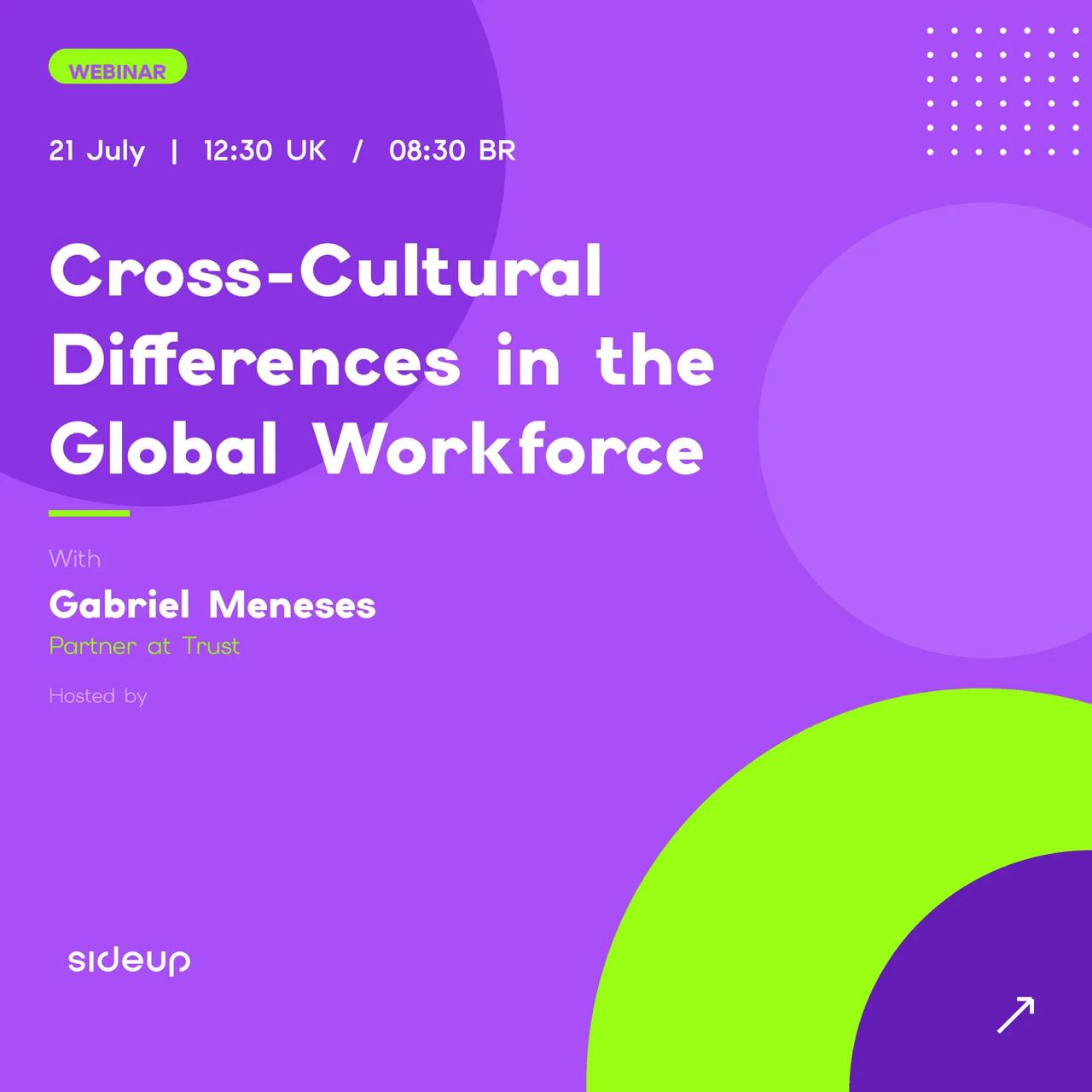 [Register here](https://hi.sideup.com/webinar-cross-cultural-differences-in-the-global-workforce) |
| --- | --- |
## Quote
*"Culture and care are the new currency. You can't out-pay a toxic or unsupportive environment."
— Emma Olie*
## How SideUp Can Help
The data from this week tells a clear story: the ROI of benefits is real, £1.90 for every £1 invested, but only if employees can actually access and use them. Right now, 1 in 4 workers don't. And 92% are carrying financial stress into work every single day, losing over 50 working hours a year to worry and distraction.
The problem isn't investment. It's design.
Companies are still building benefits packages for an "average employee" who doesn't exist, rigid, one-size-fits-all structures that fail a multigenerational, diverse workforce with genuinely different needs. A Gen Z worker stressed about rent needs something different from a parent navigating childcare costs or a senior employee planning for retirement.
SideUp is built for this reality. Our flexible benefits platform lets employees choose where their benefits actually go, wellness, commuting, home office, food, family care, essential bills, while giving employers full control over budgets, tax efficiency, and real-time engagement data. No more guessing. No more wasted spend. Just benefits that work for the people you're trying to keep.
Because the best retention strategy isn't spending more on benefits people don't use. It's making the ones you offer impossible to ignore.
[See how SideUp works →](https://hi.sideup.com)
[Book a demo →](https://hi.sideup.com/book-demo)
[Newsletter](https://hi.sideup.com/stayconomics/tag/newsletter)
### Enjoyed this article?
Subscribe to Stayconomics for more insights on retention and benefits.
Email address
Subscribe
Please enter a valid email address.
You're in! We'll be in touch soon.
[](https://sideup.com)
Benefits that work for everyone.
### Products
- [Student Loan & Tuition](https://hi.sideup.com/student-loan-repayment-benefits)
- [Wellness & Fitness](https://hi.sideup.com/wellness-fitness)
- [Work from Home](https://hi.sideup.com/work-from-home)
- [Family Care](https://hi.sideup.com/family-care)
- [Food](https://hi.sideup.com/food)
- [Utilities & Essential Bills](https://hi.sideup.com/utilities-essentials-bills)
- [HRA](https://hi.sideup.com/hra)
- [ENPS](https://hi.sideup.com/enps)
- [Recognition](https://hi.sideup.com/recognition)
### Platform
- [Manage Benefits](https://hi.sideup.com/how-to-manage-benefits)
- [Integrations](https://hi.sideup.com/integrations)
- [Security & Compliance](https://hi.sideup.com/security-compliance)
- [Ways to spend benefits](https://hi.sideup.com/how-to-spend-your-benefits)
### Privacy
- [Privacy Policy](https://hi.sideup.com/privacy-policy)
- [Terms & Conditions](https://hi.sideup.com/terms-conditions)
### Log in
- [Business Platform](https://hi.sideup.com/stayconomics/admin.sideup.com)
- [Employee Portal](https://hi.sideup.com/stayconomics/customer.sideup.com)
[Contact us](https://hi.sideup.com/contact-us)
SideUp Visa® Commercial cards are powered by Stripe and issued by Celtic Bank. Stripe Issuing balances are provided in the US by Stripe Payments Company, licensed money transmitter, with funds held at Stripe’s bank partners, Members FDIC. 919 North Market Street, suite 950 – Wilmington – DE - 19801
© 2026 SideUp. All rights reserved.
Book a demo
```json
{
"@context" : "https://schema.org",
"@type" : "BlogPosting",
"author" : {
"@type" : "Person",
"name" : "Emma Olie",
"url" : "https://hi.sideup.com/stayconomics/author/emma-olie"
},
"dateModified" : "2026-07-19T16:08:38.206Z",
"datePublished" : "2026-07-19T16:03:30.000Z",
"headline" : "The Stayconomics Brief - Edition No. 3",
"mainEntityOfPage" : {
"@id" : "https://hi.sideup.com/stayconomics/the-stayconomics-brief-edition-3",
"@type" : "WebPage"
},
"publisher" : {
"@type" : "Organization",
"logo" : {
"@type" : "ImageObject",
"url" : "https://hi.sideup.com/hubfs/logo.svg"
},
"name" : "SideUp"
}
}
```
```json
{
"@context" : "https://schema.org",
"@type" : "BlogPosting",
"author" : {
"@type" : "Person",
"name" : ""
},
"datePublished" : "2026-07-19T17:03:30",
"headline" : "The Stayconomics Brief - Edition No. 3",
"image" : "https://144715789.fs1.hubspotusercontent-eu1.net/hubfs/144715789/ChatGPT%20Image%20Jul%2019%2c%202026%2c%2004_58_44%20PM-1.png"
}
```